
High-Quality Steel Pipe Fabrication for Industrial Contractors
- bree703
- Aug 12, 2025
- 4 min read
In the world of industrial construction, the quality of materials can make or break a project. Steel pipes are a crucial component in many applications, from plumbing to structural support. For industrial contractors, understanding the nuances of steel pipe fabrication is essential. This blog post will explore the importance of high-quality steel pipe fabrication, the processes involved, and how it can benefit contractors in their projects.
Understanding Steel Pipe Fabrication
Steel pipe fabrication involves the process of cutting, shaping, and assembling steel pipes to meet specific project requirements. This process is vital for ensuring that the pipes can withstand the demands of their intended use.
The Importance of Quality
Quality in steel pipe fabrication cannot be overstated. High-quality pipes ensure durability, safety, and efficiency. When contractors use inferior materials, they risk project delays, increased costs, and potential safety hazards.
Key Factors in Quality Fabrication
Several factors contribute to the quality of steel pipe fabrication:
Material Selection: The type of steel used is crucial. Different grades of steel offer varying levels of strength and corrosion resistance.
Precision Cutting: Accurate cutting ensures that pipes fit together correctly, reducing the risk of leaks or structural failures.
Welding Techniques: The method of welding can affect the integrity of the pipes. High-quality welding techniques create strong, reliable joints.
Quality Control: Regular inspections during the fabrication process help catch any defects early, ensuring that only the best products reach the contractor.
The Fabrication Process
Understanding the fabrication process can help contractors make informed decisions. Here’s a breakdown of the typical steps involved:
Design and Planning: Before fabrication begins, a detailed design is created. This includes specifications for dimensions, materials, and any special requirements.
Material Procurement: Once the design is finalized, the necessary materials are sourced. This step is critical, as the quality of the raw materials directly impacts the final product.
Cutting: Steel pipes are cut to the required lengths using precision cutting tools. This step is essential for ensuring that all pieces fit together seamlessly.
Shaping: Depending on the project, pipes may need to be bent or shaped. This requires specialized equipment to ensure accuracy.
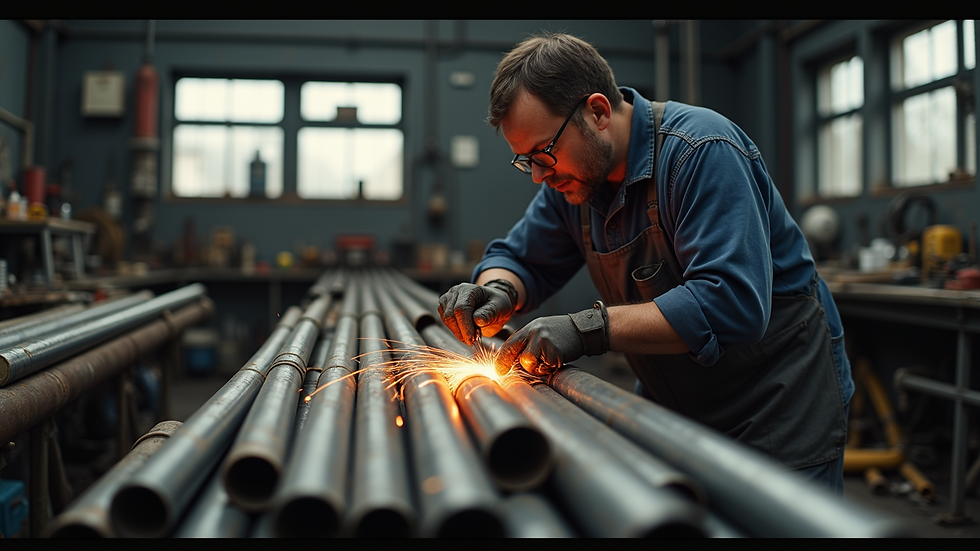
Welding and Assembly: The cut and shaped pieces are then welded together. Skilled welders use techniques that ensure strong joints, which are vital for the pipe's performance.
Finishing: After assembly, pipes may undergo finishing processes such as coating or galvanizing to enhance corrosion resistance.
Quality Inspection: Finally, a thorough inspection is conducted to ensure that all pipes meet the required standards before they are shipped to the contractor.
Benefits of High-Quality Steel Pipe Fabrication
Investing in high-quality steel pipe fabrication offers numerous benefits for industrial contractors:
Increased Durability: High-quality pipes are built to last, reducing the need for repairs or replacements.
Cost Efficiency: While the initial investment may be higher, the long-term savings from reduced maintenance and increased efficiency can be significant.
Safety Assurance: Quality fabrication minimizes the risk of failures, ensuring the safety of workers and the integrity of the project.
Enhanced Performance: Well-fabricated pipes perform better under pressure and in various environmental conditions.
Choosing the Right Fabricator
Selecting a reliable steel pipe fabricator is crucial for contractors. Here are some tips to help make the right choice:
Experience and Reputation: Look for fabricators with a proven track record in the industry. Reviews and testimonials can provide insight into their reliability.
Certifications: Ensure that the fabricator holds relevant certifications, which indicate adherence to industry standards.
Capabilities: Assess whether the fabricator can meet your specific needs, including custom designs and large orders.
Quality Control Processes: Inquire about their quality control measures to ensure that they prioritize high standards.
Case Study: Successful Project Implementation
To illustrate the importance of high-quality steel pipe fabrication, consider a recent project involving a large industrial facility. The contractor chose a reputable fabricator known for its quality work.
Project Overview
The project required thousands of feet of steel piping for various applications, including water supply and waste management. The contractor needed pipes that could withstand high pressure and corrosive environments.
Fabrication Process
The fabricator followed a meticulous process, from design to quality inspection. They used high-grade steel and employed advanced welding techniques. Regular quality checks ensured that any issues were addressed promptly.
Results
The project was completed on time and within budget. The high-quality pipes performed exceptionally well, leading to zero leaks or failures. The contractor was able to save on maintenance costs and received positive feedback from the facility's operators.
The Future of Steel Pipe Fabrication
As technology advances, the steel pipe fabrication industry is evolving. New techniques and materials are being developed to enhance quality and efficiency.
Innovations to Watch
Automation: Automated cutting and welding processes are becoming more common, increasing precision and reducing labor costs.
Advanced Materials: Research into new alloys and coatings is leading to stronger, more durable pipes.
Sustainability: Eco-friendly practices are gaining traction, with fabricators looking for ways to reduce waste and energy consumption.
Final Thoughts
High-quality steel pipe fabrication is essential for industrial contractors looking to ensure the success of their projects. By understanding the fabrication process, recognizing the importance of quality, and choosing the right fabricator, contractors can set themselves up for success.
Investing in quality materials and processes not only enhances project outcomes but also builds a reputation for reliability and excellence in the industry. As the landscape of steel pipe fabrication continues to evolve, staying informed and adaptable will be key to thriving in this competitive field.


Comments